Low Voltage: The Modern Display Font with a Sci-Fi Edge
Fonts play a crucial role in visual communication, shaping the way we perceive information and branding. Among the many fonts available today, Low Voltage stands out as a unique and stylish choice for designers and creators who want to make a bold typographic statement. Inspired by electrical signals and futuristic aesthetics, Low Voltage offers a modern, robotic look that's perfect for projects needing a fresh and contemporary vibe.
What is Low Voltage?
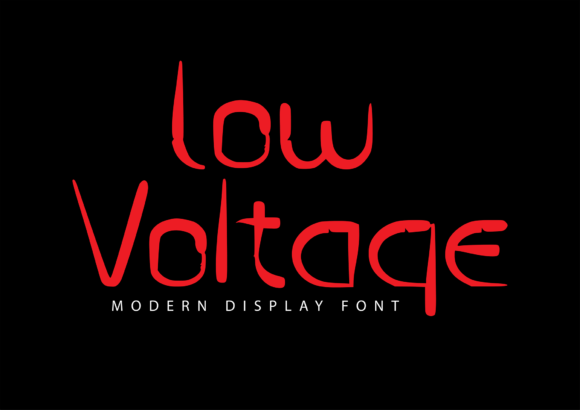
Low Voltage is a display font, meaning it is best suited for headlines, logos, posters, and other large-scale text applications rather than body copy. Its design draws from the world of technology, particularly the look of digital interfaces, circuitry patterns, and the sharp angles associated with robotics and sci-fi themes. This gives the font an edgy yet clean appearance that can instantly elevate the visual appeal of any project.
Created with both form and function in mind, Low Voltage balances artistic flair with readability. While its characters are stylized, they remain legible at larger sizes, making it ideal for use in marketing materials, web banners, infographics, and creative presentations.
The Inspiration Behind the Design
The name “Low Voltage” hints at its thematic roots. Electrical systems operate on voltage levels, and this font mimics the aesthetic of low-voltage circuits—clean, precise, and slightly industrial. Each character appears to have been etched or printed onto a metallic surface, giving off a subtle glow and mechanical feel.
This inspiration makes Low Voltage more than just another decorative typeface; it’s a symbol of innovation and modernity. It reflects the growing influence of technology in our daily lives and how design elements are evolving to match that shift.
Why Use Low Voltage in Your Projects?
If you're looking to add a touch of futurism or tech-inspired style to your work, Low Voltage could be the perfect fit. Here are some reasons why this font is gaining popularity among designers and creatives:
- Modern Aesthetic: The font's sleek lines and geometric shapes give it a cutting-edge look that aligns with current design trends.
- Sci-Fi and Robotic Themes: Whether you're designing for a science fiction movie poster, a tech startup, or a gaming website, Low Voltage adds authenticity and depth to the theme.
- High Visual Impact: As a display font, it commands attention when used in headlines or key visuals, helping your message stand out.
- Versatile Applications: From digital media to print, Low Voltage adapts well across different platforms and formats.
Practical Uses of Low Voltage
Low Voltage is not just about looks—it also has practical relevance in various fields. Below are some common areas where this font shines:
- Branding and Logos: Startups in the tech industry often seek a modern identity. Using Low Voltage in their logo can help convey innovation and reliability.
- Web Design: Websites that focus on technology, gaming, or futuristic concepts can benefit from using Low Voltage in hero sections or call-to-action buttons.
- Print Media: Brochures, flyers, and posters related to events like tech expos or film festivals can leverage the font's visual impact to grab attention.
- Social Media Graphics: With the rise of short-form content and visually-driven platforms, Low Voltage helps create memorable graphics that resonate with audiences.
- Creative Projects: Artists and illustrators can incorporate the font into digital art pieces, animations, or video game UI to enhance the overall mood and style.
Understanding Display Fonts and Their Role in Design
Before diving deeper into Low Voltage, it's essential to understand what display fonts are and why they matter. Unlike serif or sans-serif fonts designed for long reading sessions (like Times New Roman or Helvetica), display fonts are crafted to be eye-catching and expressive. They are typically used in small amounts but have a big impact.
Display fonts can be categorized into several styles, including script, hand-drawn, graffiti, neon, and—in the case of Low Voltage—techno-modern. These fonts are not always easy to read in small sizes or over long passages, which is why they’re reserved for specific uses where visual appeal is more important than readability.
How Display Fonts Enhance Communication
A well-chosen display font can transform the tone of a message. For example:
- Using a graffiti-style font might suggest rebellion or urban culture.
- A neon font could evoke a sense of energy and excitement.
- Low Voltage, with its electrical signal motif, communicates technological sophistication and a forward-thinking mindset.
By choosing a font that matches the message or brand personality, designers can create more meaningful and effective visual experiences.
Low Voltage in Modern Life and Creativity
In today's fast-paced digital world, first impressions matter more than ever. Businesses and individuals alike rely on strong visual identities to stand out in crowded markets. Low Voltage fits perfectly into this landscape by offering a font that resonates with the modern viewer while maintaining a professional edge.
Business and Branding
Many businesses operating in the tech sector—such as app developers, robotics companies, or electric vehicle startups—use fonts like Low Voltage to reinforce their brand image. The font's association with electricity and circuits subtly suggests power, precision, and innovation.
For example, a smart home device company might use Low Voltage in promotional materials to emphasize the product’s connection to modern technology and ease of integration into daily life.
Education and Technology
In educational contexts, especially those involving STEM subjects, using a font like Low Voltage can make learning materials more engaging for students. It adds a layer of interest and relevance to topics like engineering, computer science, and physics.
Teachers and educators can integrate such fonts into presentations, interactive whiteboards, or even classroom decorations to foster a dynamic learning environment that mirrors the real-world applications of their lessons.
Entertainment and Creative Industries
Designers in the entertainment industry—especially those working on movies, TV shows, or games—often turn to display fonts to set the tone of a scene or title. Low Voltage is frequently used in titles for cyberpunk-themed films or video games due to its association with digital and robotic imagery.
Consider a movie poster for a new sci-fi thriller. The title needs to catch the eye and immediately communicate the genre. A font like Low Voltage can achieve that without relying on complex imagery or color schemes.
How to Get Started with Low Voltage
Now that you understand the value and versatility of Low Voltage, let’s explore how to start using it effectively.
Acquiring the Font
Low Voltage is available through various font marketplaces and design platforms. You can search for it using terms like "robotic display font" or "modern tech font". Once you’ve downloaded it, install it on your system or import it into your design software (e.g., Adobe Photoshop, Illustrator, Canva, or Figma).
Best Practices for Using Low Voltage
To get the most out of Low Voltage, follow these tips:
- Use it Sparingly: Because it’s a display font, avoid using it for body text. Save it for headlines, titles, and key phrases.
- Pair with Subtle Backgrounds: To maintain focus on the text, pair Low Voltage with minimalist or high-contrast backgrounds.
- Experiment with Colors: Try using electric blue, silver, or red tones to enhance the font's tech-inspired feel.
- Test Readability: Always preview how the font looks at different sizes and distances to ensure it remains clear and impactful.
Tools and Software Compatibility
Low Voltage works seamlessly with most major design tools. Here are some popular options:
- Adobe Photoshop
- Canva
- Figma
- Creative Fabrica
- Google Fonts (if supported)
Some platforms may require you to upload the font file manually before you can start using it. Make sure to check the licensing terms to confirm whether the font is suitable for commercial use.
Common Misconceptions About Display Fonts
While display fonts like Low Voltage offer incredible visual potential, there are some common misunderstandings about their use. Let’s clarify them:
Display Fonts Are Only for Decorative Purposes
Though display fonts are indeed decorative, they also serve a functional purpose by conveying emotion and context. When used correctly, they enhance the user experience rather than detract from it.
They Are Hard to Read
This isn't always true. Many display fonts—especially those like Low Voltage—are designed with readability in mind for their intended use cases. Just make sure to use them appropriately, such as for headlines or short messages.
You Need Advanced Skills to Use Them
Anyone can use a display font with basic design knowledge. Most graphic design software includes intuitive tools that allow users to adjust spacing, size, and alignment easily. Experimentation is key to finding the right look for your project.
Where to See Low Voltage in Action
Seeing is believing! Here are a few examples of where Low Voltage can shine:
- Product Packaging: Tech gadgets or innovative consumer products can use the font to highlight features like "Smart Control" or "AI Powered."
- Website Headers: A startup focused on renewable energy might use Low Voltage for a header that says "Powering Tomorrow."
- Event Posters: For a virtual reality conference, using Low Voltage in the event title could create an immersive and futuristic feel.
- Social Media Captions: Add a bit of tech flair to your next Instagram post by using the font for hashtags or taglines like "#InnovateWithUs."
Combining Low Voltage with Other Elements
Low Voltage works best when paired with other design elements that complement its vibe. Consider adding:
- Glitch effects or pixelated textures to simulate digital interference.
- Minimalist layouts with lots of negative space to highlight the font.
- Subtle lighting effects, like drop shadows or outlines, to mimic a screen glow.
- Robotic or circuit-themed illustrations to create a cohesive look.
These additions can help bring out the full potential of the font and make your designs more dynamic and visually appealing.
Conclusion: Embrace the Future with Low Voltage
In summary, Low Voltage is much more than just a stylish font. It represents a blend of technology and typography, offering a fresh, modern look that appeals to a wide range of industries and creative pursuits. Whether you're a designer, marketer, educator, or hobbyist, incorporating Low Voltage into your projects can help you communicate ideas with clarity, creativity, and a touch of futuristic flair.
As digital design continues to evolve, fonts like Low Voltage will become increasingly relevant. They reflect the changing tastes and expectations of modern audiences who crave innovation and authenticity in visual communication. So don’t wait—explore Low Voltage and see how it can transform your next project!