Racing Line: The Modern Brush Display Font That Elevates Design and Branding
In the ever-evolving world of design, typography plays a crucial role in capturing attention, conveying personality, and building brand identity. One font that has recently gained traction among professionals, creators, entrepreneurs, marketers, freelancers, and enthusiasts is Racing Line. This bold, dynamic brush display font offers a unique blend of energy, elegance, and modernity, making it an ideal choice for projects that demand impact and visual flair.
What Is Racing Line?
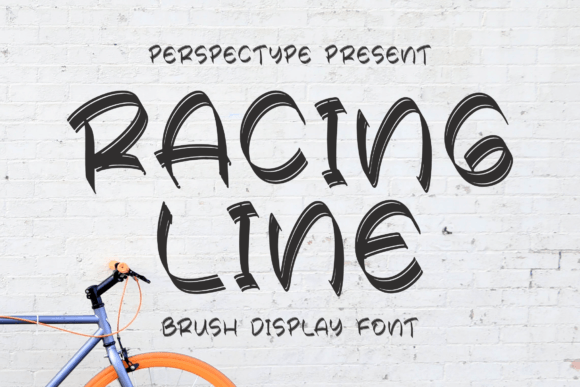
Racing Line is a contemporary brush script font designed to evoke movement, speed, and creativity. Its fluid strokes and rhythmic curves mimic the natural flow of hand-lettering, giving it a raw yet refined aesthetic. Unlike traditional serif or sans-serif fonts, Racing Line stands out with its expressive character shapes and high contrast, which create a strong visual presence on any medium.
This font is particularly suited for display purposes—think headlines, logos, posters, and promotional materials—where legibility isn't the primary concern but emotional resonance is. It adds a sense of spontaneity and artistry to designs, making them feel more personal and engaging.
The Rise of Expressive Typography
Over the past few years, there has been a noticeable shift in the design industry toward more expressive and human-centric typography. Clients are no longer satisfied with just clean, minimalistic typefaces; they want something that tells a story and reflects their brand's voice. Racing Line aligns perfectly with this trend by offering a balance between professionalism and artistic expression.
With the popularity of custom lettering and hand-drawn aesthetics in branding, marketing, and digital content, Racing Line provides a ready-made solution for designers who want to achieve that signature look without the need for extensive illustration work. Its versatility makes it suitable for both digital and print applications, from website headers to packaging labels.
Modern Aesthetics Meet Nostalgia
Another key trend shaping the creative landscape today is the fusion of modern design principles with nostalgic elements. Racing Line taps into this duality with its sleek, modern structure while retaining the warmth and imperfection of brush-based writing. This combination appeals to audiences across generations, especially those who appreciate the authenticity of handcrafted visuals.
Entrepreneurs and small business owners often use this kind of font to stand out in crowded markets. Whether it’s for a startup logo, a fashion brand’s tagline, or a food and beverage label, Racing Line can inject a sense of vibrancy and originality into the design.
Brand Identity and Marketing Materials
Marketers and branding professionals are increasingly turning to fonts like Racing Line to differentiate their clients’ visual identities. In an age where consumers are bombarded with information, a distinctive typeface can be the difference between being noticed and blending in. For example, a fitness apparel company might use Racing Line in its promotional banners to convey motion and motivation, resonating with its target audience of active individuals.
- Logos: Its bold style works well as a focal point in logo designs, especially for lifestyle, entertainment, and tech startups.
- Social Media Graphics: The font’s dynamic nature fits seamlessly into Instagram posts, YouTube thumbnails, and TikTok titles where visual impact is key.
- Packaging and Merchandise: From drink labels to clothing tags, Racing Line adds a touch of sophistication and modernity.
Web and App Design
In web and app development, user experience (UX) and user interface (UI) have become central to success. While most body text relies on readability, headings and call-to-action buttons benefit from typographic experimentation. Racing Line brings a fresh perspective to these elements, helping brands communicate a sense of innovation and confidence.
For instance, a SaaS platform targeting young professionals might use Racing Line in its hero section to emphasize keywords like “Launch,” “Growth,” or “Next Level.” This not only enhances the visual hierarchy but also reinforces the brand’s energetic and forward-thinking image.
Print and Advertising
Traditional print media hasn’t lost its relevance, especially in luxury and lifestyle sectors. High-quality magazines, posters, and billboards continue to rely on striking typography to draw the eye. Here, Racing Line shines by delivering a premium feel with its elegant yet bold strokes.
Advertising agencies have started incorporating this font into campaigns that require a bold statement. Think of a car commercial using Racing Line for the title—its name itself suggests speed and performance, and the font visually supports that narrative with its sweeping curves and sharp edges.
A Shift Toward Personalization and Authenticity
Consumers today crave authenticity and personalized experiences. They’re more likely to engage with brands that feel real and relatable. Racing Line helps fulfill this need by adding a human touch to otherwise digital or mass-produced content. Its brush-style appearance gives off the impression of craftsmanship, even when used in scalable vector formats.
Freelancers and creatives are responding to this shift by integrating such fonts into their portfolios and client deliverables. It’s a way to showcase their ability to adapt to evolving design trends while maintaining a cohesive and professional look.
Remote Work and Digital Content Creation
As remote work and digital content creation continue to grow, so does the demand for tools and assets that enhance productivity and creativity. With more people working independently or managing online businesses, having access to high-quality design resources like Racing Line is essential.
Its ease of integration into design software and compatibility with various file formats make it a favorite among remote teams. It allows for quick iterations and consistent branding across platforms, whether you're designing for social media, email newsletters, or presentations.
Mobile-First Design Considerations
With mobile screens dominating how users interact with content, the importance of responsive typography has never been higher. Racing Line performs exceptionally well in this context due to its bold character set and high contrast, ensuring visibility even at smaller sizes. This makes it ideal for mobile ads, app icons, and short-form video content where clarity and impact are paramount.
Use Cases for Racing Line
- Product Launches: Use Racing Line in your promotional materials to create excitement and urgency around new product releases.
- Festival and Event Branding: Its lively and artistic feel makes it perfect for music festivals, art shows, and cultural events looking to project a vibrant atmosphere.
- Creative Portfolios: Showcase your work with a font that reflects your passion and professionalism. It adds a layer of sophistication to portfolio websites and pitch decks.
- Editorial Design: Incorporate Racing Line in magazine covers, blog headers, or editorial spreads to add visual interest and break up dense layouts.
Pairing and Complementary Styles
One of the challenges with expressive fonts is finding the right balance between creativity and usability. When using Racing Line, it's important to pair it with more structured fonts to maintain readability and harmony in your design. Commonly paired with sans-serif or geometric fonts, Racing Line can serve as the headline while a cleaner font handles the supporting text.
Designers often experiment with color gradients, drop shadows, and subtle animations to further highlight the font’s characteristics. These techniques help it stand out while keeping the overall design from becoming overwhelming.
Advancements in Font Technology
Thanks to recent advancements in font technology, designers now have access to a wider range of high-quality, customizable typefaces than ever before. OpenType features, variable fonts, and advanced hinting allow for greater flexibility and precision. Racing Line benefits from these innovations, providing multiple weights and stylistic variations that cater to different design needs.
Moreover, the rise of AI-driven design tools has made it easier to test and apply fonts like Racing Line in real-time. Tools like Figma, Adobe XD, and Canva now support robust typography controls, enabling users to fine-tune spacing, kerning, and alignment for optimal results.
Consumer Demand for Visual Cohesion
Consumers are more visually discerning than ever. They expect seamless aesthetics across all touchpoints—from a brand’s website to its physical merchandise. Racing Line contributes to this visual cohesion by offering a versatile yet distinct style that can be adapted to different mediums and contexts.
Its growing popularity is also reflected in the increasing number of tutorials, templates, and asset packs that feature it. As more designers adopt it, the ecosystem of related resources expands, making it even more accessible and valuable.
Conclusion
Racing Line is more than just another font—it's a design tool that speaks to the evolving preferences of today’s professionals and consumers. Its unique blend of expressiveness and modernity makes it a powerful addition to any project that requires a bold visual statement. Whether you're creating a brand identity, designing digital content, or producing print materials, Racing Line offers a compelling way to capture attention and communicate emotion.
As industries continue to prioritize authenticity, personalization, and visual storytelling, the relevance of fonts like Racing Line will only increase. By understanding how to leverage this font effectively, you can stay ahead of the curve and elevate your creative output in meaningful ways.