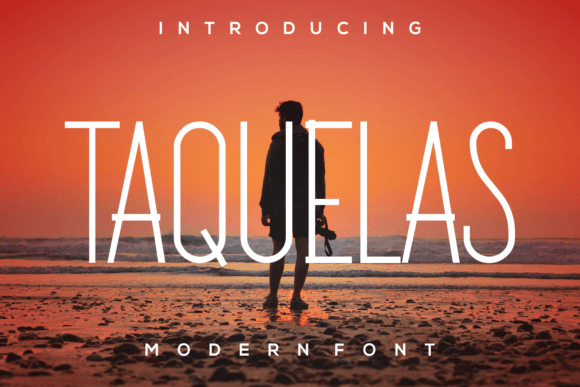
Taquelas: A Cool and Unique Display Font for Creative Projects
Fonts play a crucial role in visual communication, shaping how messages are perceived and experienced. In the world of display fonts—those designed to stand out rather than be read at length—Taquelas distinguishes itself as a bold and artistic choice. With its unique character set and expressive style, Taquelas is particularly well-suited for creative projects that demand attention and personality.
What Makes Taquelas Unique?
Taquelas is a modern display font characterized by its distinctive letterforms, which blend sharp angles with soft curves in a way that feels both edgy and elegant. Unlike more traditional serif or sans-serif fonts, it falls into the category of decorative or novelty fonts, where form often takes precedence over function. This makes it ideal for short bursts of text such as headlines, logos, posters, and social media graphics.
One of the standout features of Taquelas is its versatility within the display font genre. While many similar fonts lean heavily into one aesthetic—such as all-caps block letters or overly stylized script—Taquelas offers a balanced approach. Its characters have a sense of movement and rhythm, making them visually engaging without becoming overwhelming. Additionally, the font supports a wide range of glyphs, including ligatures and alternate characters, giving designers more flexibility to tailor their designs.
Comparing Taquelas to Other Display Fonts
When evaluating display fonts, it's important to consider not just their appearance but also their practical applications. Taquelas stands apart from other options due to its ability to maintain legibility even in large sizes, a common issue with many highly stylized fonts. For example, when compared to a typical graffiti-style font, Taquelas provides a cleaner look while still retaining a strong visual identity.
In contrast to minimalist sans-serif display fonts like Bebas Neue or Montserrat, Taquelas adds a layer of creativity and flair that can make a design feel more dynamic. However, this doesn’t mean it’s always the best fit. If the goal is to communicate a message clearly and concisely in a limited space, a simpler font might serve better. Taquelas shines in contexts where aesthetics take center stage and readability isn't the primary concern.
Strengths of Taquelas
- Visual Appeal: The unique shape and structure of each character draw the eye and create a memorable impression.
- Flexibility: With multiple weights and stylistic alternates, Taquelas can adapt to different design needs.
- Expressive Style: It conveys emotion and tone effectively, making it suitable for branding and marketing materials.
- Modern Vibe: Its contemporary design aligns well with digital platforms, especially in UI/UX and web design.
Tradeoffs and Limitations
- Not Ideal for Long Text: As a display font, Taquelas is meant for short phrases or headings. Using it for body text would compromise readability.
- Requires Careful Pairing: Due to its strong presence, it should be paired with more neutral supporting fonts to avoid clashing.
- Limited Use Cases: While great for creative work, it may not be appropriate for formal documents or professional settings where clarity is key.
Best-Fit Situations for Taquelas
Taquelas is particularly effective in the following scenarios:
- Logo Design: Its bold and unique characteristics help brands stand out and convey a strong visual message.
- Poster and Banner Headlines: Whether for events, promotions, or art exhibitions, Taquelas can add an energetic touch to your title.
- Social Media Graphics: On platforms like Instagram, Pinterest, or Facebook, where visual impact is essential, Taquelas can enhance engagement.
- Creative Websites: Especially in hero sections, call-to-action buttons, or brand taglines, it complements modern web layouts beautifully.
- Print Materials: From invitations to packaging, it brings a fresh and dynamic look that appeals to younger audiences or niche markets.
Realistic Examples of Use
Imagine designing a music festival poster. You want something that feels alive and vibrant. Taquelas could be used for the event name, creating a visual anchor that immediately grabs attention. For the supporting details like dates, venue, and lineup, you'd pair it with a clean sans-serif like Open Sans or Lato to ensure readability.
Another example is a lifestyle blog focusing on travel and adventure. The blog’s logo uses Taquelas to reflect a sense of exploration and creativity. On the homepage, the featured article titles use the same font to maintain brand consistency while keeping the content easy to scan with a secondary font.
When to Consider Alternatives
While Taquelas is a powerful tool in a designer’s arsenal, it's not universally applicable. Here are some situations where another font might be more appropriate:
- If your project requires long-form reading (e.g., books, reports, articles), stick with a readable typeface like Georgia, Times New Roman, or Helvetica.
- For formal or corporate branding, choose a font that reflects professionalism and stability, such as Roboto, Lora, or Didot.
- When aiming for a vintage or retro feel, a script font like Great Vibes or Allura might be a better match.
- On mobile interfaces or small screens, opt for a font with high legibility and compact spacing to prevent usability issues.
The right font choice depends on the context, audience, and purpose of your design. Taquelas works best when it enhances the visual narrative without hindering communication.
How to Decide if Taquelas is Right for Your Project
To determine whether Taquelas is the right fit, ask yourself these questions:
- Do I need a font that commands attention and evokes emotion?
- Will the text using this font be short and impactful rather than lengthy and informative?
- Is the overall design style modern, youthful, or artistic?
- Am I looking to differentiate my brand or project visually from competitors?
If you answered "yes" to most of these, Taquelas could be an excellent addition to your toolkit. Conversely, if your project leans toward minimalism, clarity, or tradition, you might find a different font more effective.
Evaluating the Overall Value of Taquelas
As part of a designer’s font library, Taquelas adds a unique voice to your typographic palette. It’s not just about aesthetics—it’s about having the right tools to express the right message. In the right context, it can elevate a simple graphic into a compelling visual statement.
However, its value lies in thoughtful application. Overusing it can lead to visual fatigue or dilute the message it was intended to highlight. Like any display font, it should be used sparingly and strategically. The key is understanding when and how to deploy it to maximum effect without compromising the integrity of your design.
Design Tips for Using Taquelas Effectively
Here are a few tips to maximize the potential of Taquelas in your projects:
- Use Contrasting Colors: Darker shades against light backgrounds tend to highlight the font’s boldness best.
- Play with Spacing: Adjusting letter and word spacing can enhance the visual flow and balance of the text.
- Limit Line Length: Keep lines short to preserve the font’s impact and prevent overcrowding.
- Consider Case Usage: Since it has a strong presence, using uppercase or lowercase consistently can improve cohesion.
- Test on Different Devices: Ensure the font looks good across various screen sizes before finalizing a design.
Conclusion: A Strategic Choice for Visual Creativity
Taquelas is more than just a cool-looking font; it's a strategic asset for designers who understand the power of typography in storytelling and branding. By combining bold shapes with a refined sense of style, it bridges the gap between novelty and professionalism. When used correctly, it can transform ordinary visuals into extraordinary ones.
Ultimately, the decision to include Taquelas in your font collection depends on your specific needs and the nature of your work. If you're seeking a font that adds energy, character, and uniqueness to your projects, it’s worth exploring. But remember, the best design solutions come from knowing your options—and choosing the right one for the job at hand.